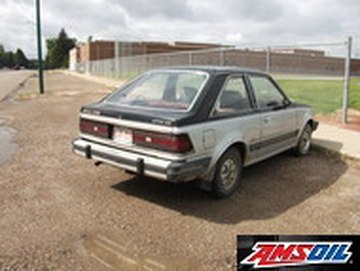
Engine Lubrication Maintenance for the 1981 Mercury LYNX 1.6L
Maintaining a vehicle from the early 1980s requires a proactive approach to fluid management and mechanical inspection. For the 1981 Mercury LYNX equipped with the 1.6L engine, consistent attention to lubrication is a fundamental aspect of preserving engine health and ensuring operational efficiency. Because older engines may exhibit different sealing characteristics than modern counterparts, understanding how to monitor and respond to lubrication needs is essential for any owner.
Monitoring Fluid Integrity and Consumption
One of the most effective ways to manage an aging engine is through regular observation of fluid levels and condition. For this 1.6L application, checking the oil level should be a routine part of your maintenance routine. If you notice that the oil level is dropping between service intervals, it warrants closer investigation. Changes in how much lubricant the engine uses can be associated with various factors, including the age of internal seals or changes in operating temperature.
Beyond just checking the quantity, the physical appearance of the oil provides valuable information. When you pull the dipstick, look for signs of contamination. Oil that appears excessively dark, gritty, or has a milky consistency may indicate that something other than standard combustion byproducts is entering the system. While some discoloration is expected as oil ages and works within the engine, significant changes in texture or color should be investigated to prevent potential issues with internal components.
Observing Potential Warning Signs
While many lubrication issues develop slowly, certain symptoms can serve as early indicators that the engine requires attention. It is important to remember that a single symptom can have multiple underlying causes, so observations should be treated as starting points for inspection rather than definitive diagnoses.
- Visible Seepage: Inspecting the area around the engine for signs of fluid leakage can help identify aging gaskets or seals. Even small amounts of seepage can eventually lead to significant fluid loss if left unaddressed.
- Unusual Odors: A burning smell during or after operation may indicate that lubricant is contacting a hot external surface. This does not always mean a major failure is occurring, but it is a sign that the source of the contact should be located.
- Changes in Engine Sound: While mechanical noises can stem from many sources, any new or persistent rhythmic sounds during operation might suggest that lubrication levels or quality are not optimal for the current operating conditions.
If you encounter an oil pressure warning indicator on your dashboard, this requires immediate investigation. Such a signal is a critical notification that the system may not be maintaining the necessary environment for safe operation.
Prioritizing Long-Term Engine Care
As vehicles age, maintenance strategies often shift from purely following a schedule to a more condition-based approach. For an owner of a 1981 Mercury LYNX, this means using the current state of the vehicle to dictate where your attention goes first. If you do not have a complete service history for the 1.6L engine, establishing a maintenance baseline is a wise first step.
To establish this baseline, begin by documenting all recent fluid changes, filter replacements, and any repairs performed. Once you have a clear picture of what has been done recently, you can better identify if new symptoms are truly new or part of an ongoing trend. When managing an older vehicle, it is often more effective to address active signs of wear—such as minor leaks or increased consumption—rather than replacing parts solely because they have reached a certain age. This distinction between preventive maintenance and unnecessary replacement helps in making informed, cost-effective decisions.
Routine Inspection of Engine Compartment Components
A thorough inspection during an oil change provides an excellent opportunity to look at other components that support the engine's operation. While the engine is being serviced, take a moment to examine the surrounding hardware for signs of deterioration.
If equipped, inspect accessible drive belts for any evidence of cracking, glazing, or fraying. Similarly, if the vehicle has various rubber hoses present, check them for softness, brittleness, or bulging. These components are subject to heat cycles and age-related degradation, and catching a deteriorating hose or belt early can prevent unexpected interruptions in service. Additionally, checking electrical connections and wiring for signs of corrosion or fraying ensures that the engine's management systems receive clean, reliable signals.
Selecting Lubricants for Aging Engines
When considering different types of engine oil, it is helpful to understand what various formulations offer. While many owners use conventional oils, there are other options available depending on the specific needs of the engine. Synthetic and synthetic-blend oils are designed with different chemical structures that can affect how the lubricant behaves under varying thermal conditions.
For engines that have been in service for a long time, some high-mileage oil formulations contain additives intended for use in aging engines. Some high-mileage formulations include seal-conditioning additives, which are designed to help maintain the flexibility of certain components. However, it is important to approach these products with an understanding that they are intended to support the engine's current state rather than serve as a "repair" for major mechanical failures.
Practical Guidance for Buying Engine Oil for your 1981 Mercury LYNX 1.6L
When you are ready to purchase new lubricant, the most important step is to ensure that the product matches the specific requirements of your engine. Do not rely on general automotive knowledge or assumptions based on the vehicle's age to select a grade. Instead, match the engine oil to the application-specific viscosity information already displayed on this webpage.
Before completing your purchase, always check the product labeling to verify that the oil meets the appropriate API certification for your needs. Whether you choose a conventional, synthetic blend, or high-mileage formulation, the primary goal is to align the lubricant's properties with the technical specifications provided in the application information above. By following the specific guidance listed on this page, you ensure that your 1981 Mercury LYNX 1.6L receives the correct lubrication for its design.